2026-10-23 ·
Inspecting Older La Jolla Homes for Hidden Moisture Problems
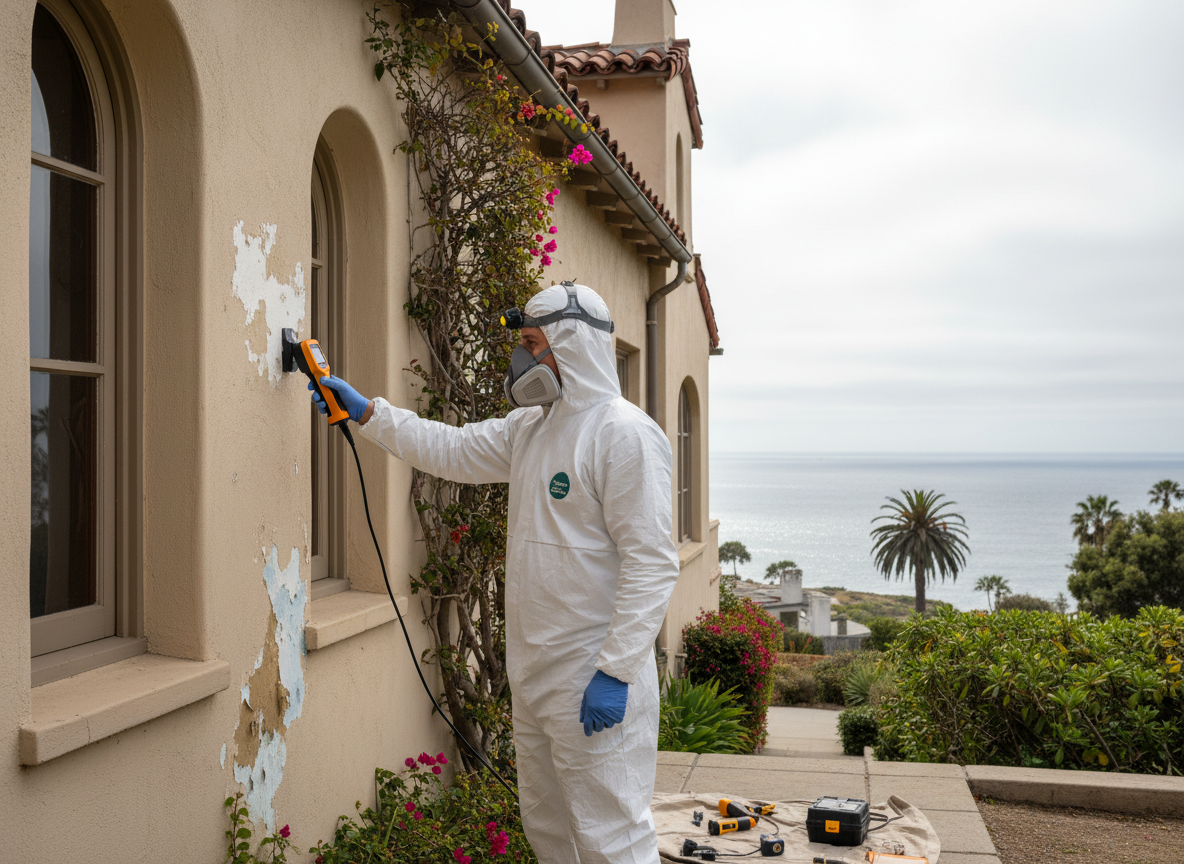
Older La Jolla homes built before 1970 often hide moisture behind plaster walls and under original hardwood floors, especially in neighborhoods such as Muirlands and Bird Rock where many structures date to the 1950s. These properties sit on coastal slopes that channel fog and winter rain toward foundations, creating conditions where small leaks stay undetected for years. A focused inspection starts with visual checks for staining on baseboards, musty odors near vents, and soft spots in flooring near bathrooms. Homeowners in La Jolla Shores and Windansea report similar patterns after heavy marine layer periods, when relative humidity stays elevated for weeks.
Inspecting Crawl Spaces in La Jolla Homes
Crawl spaces under 1950s and 1960s La Jolla homes commonly trap moisture because many lack modern vapor barriers or adequate ventilation. Soil in these spaces stays damp from runoff off Mount Soledad slopes, allowing water to wick into wooden joists. Walk the perimeter first and shine a light along sill plates for dark discoloration or white efflorescence on concrete. Probe suspect wood with a screwdriver; if the tip sinks easily, moisture has already compromised the member. Check for standing water near the laundry area or where the main water line enters from the street. Homes in Upper La Jolla often show higher readings here because their lots sit lower relative to street grade.
Attic and Roof Leak Checks
Attics in older La Jolla homes frequently show moisture from roof penetrations around chimneys or skylights added decades ago. La Jolla's mild Mediterranean climate brings occasional heavy winter rains that test older asphalt shingles and flashing. Climb into the attic during daylight and look for dark streaks on rafters or insulation that feels heavier than surrounding material. Pay special attention to areas above bathrooms where vent pipes exit the roof. In Bird Rock and La Jolla Village, many roofs have been re-covered without replacing original flashing, creating hidden entry points. Measure moisture content with a meter at multiple rafter locations; readings above 15 percent indicate active or recent intrusion.
Plumbing and Bathroom Moisture Assessment
Original galvanized or copper supply lines in pre-1970 La Jolla homes corrode from the inside, leaking slowly into walls for months before visible damage appears. Begin at the water heater and follow supply lines to each fixture, noting any green or white crust at joints. In bathrooms, remove the escutcheon plates around tub and shower valves to inspect the wall cavity. Steps to Dry Out a La Jolla Home After a Plumbing Leak outlines the drying sequence that follows discovery of these leaks. Check under vanities for warped particleboard and behind toilets for cracked wax rings. Homes near La Jolla Cove experience additional humidity from constant sea air, accelerating corrosion on exposed fixtures.
Using Professional Tools and When to Call for Testing
A moisture meter and infrared camera reveal temperature differences that point to hidden water behind drywall or under tile. Scan exterior walls on the windward side first, where La Jolla's onshore breezes drive moisture through small cracks in stucco. Record readings at floor level, mid-wall, and ceiling in every room. Home mold inspection services use the same tools plus air sampling to confirm whether elevated moisture has already supported growth. What Influences Mold Testing Costs in La Jolla explains how square footage and number of samples affect pricing for these older properties. If meter readings exceed 20 percent or thermal anomalies appear consistently, schedule mold inspection before beginning repairs.